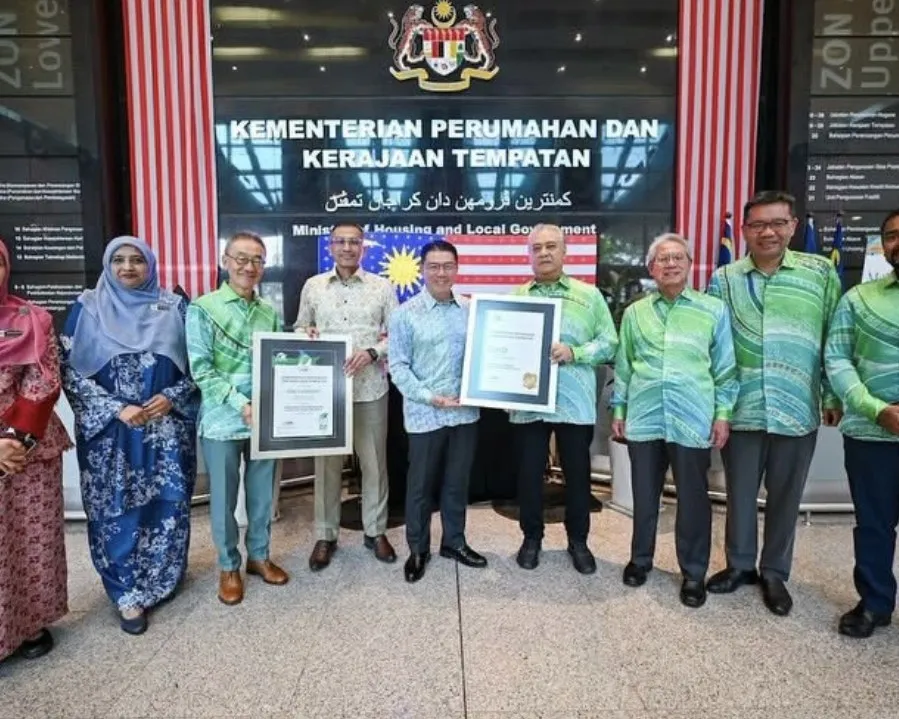


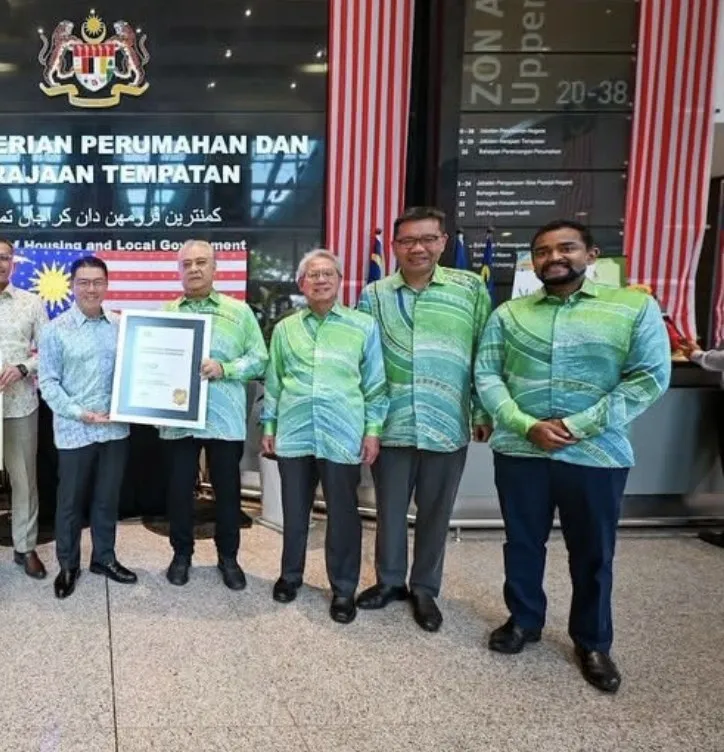
The Kementerian Perumahan dan Kerajaan Tempatan has achieved an important sustainability milestone, with Menara KPKT in Putrajaya receiving the GreenRE Gold Rating under the Existing Non-Residential Building (ENRB) v3.3 category. It is the first ministry in Malaysia to do so.
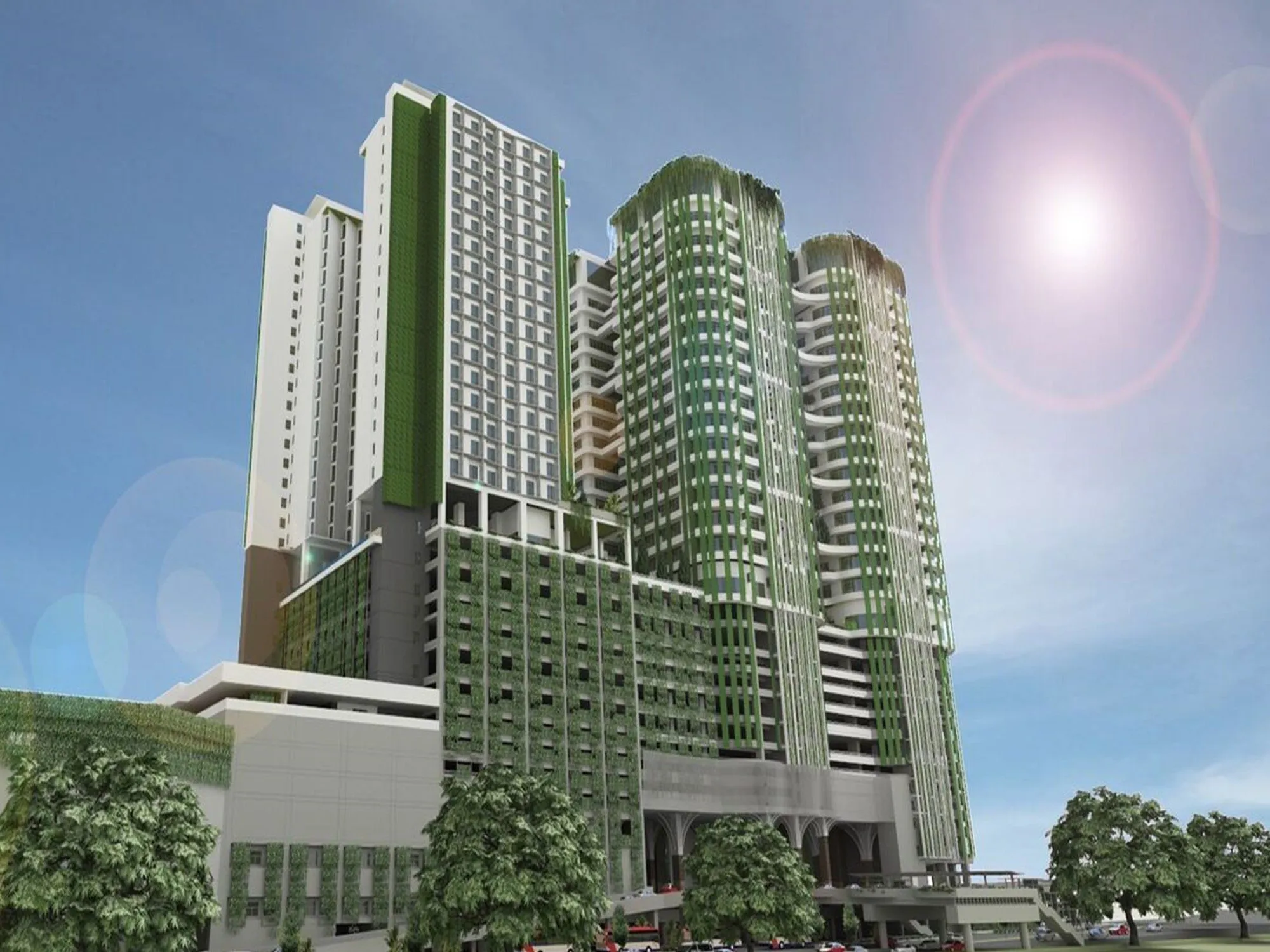
Standing at 38 storeys with four basement levels and a gross floor area of approximately 117,539.73 m², Menara KPKT demonstrates how sustainability can be integrated into the day-to-day operation and management of a large existing government building.
That distinction is the whole point of this note. Most green building coverage in Malaysia concerns new construction, where performance is a design intention and the rating is awarded on the strength of drawings, specifications and models. An existing building is judged on what it is doing now, with the equipment it already has, run by the people who already run it.
Why the existing estate is the real problem
Malaysia’s building stock turns over slowly. The overwhelming majority of the floor area that will be in use in 2040 is standing today, and most of it was built before any green building standard applied to it. New construction standards matter enormously for the long run, but they do nothing at all about the buildings already consuming energy.
This is especially acute in the public sector, where the estate is large, geographically dispersed, and operated under procurement rules that make wholesale replacement unrealistic. If government buildings are going to improve their environmental performance in any meaningful timeframe, it has to happen through the operation of existing assets.
That is why ENRB v3.3 is weighted the way it is. It rewards measured energy performance, documented management policy and demonstrated operational discipline, not design intent. You cannot model your way to a result under it.
Energy and resource management
The building is served by a District Cooling System and records a Building Energy Intensity of approximately 89.9 kWh/m²/year.
That figure deserves context, because on its own a number in kWh/m²/year means nothing to most readers. 135 kWh/m²/year is the figure commonly cited as the Malaysian office benchmark under MS1525. An unimproved air-conditioned office tower in this climate typically runs well above it, because cooling dominates consumption and runs for most of the working year. Menara KPKT operates materially below the benchmark while functioning as a fully occupied ministry headquarters.
The district cooling connection is the single largest reason. Removing chiller plant from the building and drawing chilled water from a central plant shifts the generation efficiency problem to a plant designed and operated for that one job, at a scale no individual building can match.
A solar photovoltaic system contributes approximately 0.26% of consumption. We publish that figure as it stands rather than rounding it into significance, because the geometry is instructive: on a 38-storey tower the roof is a small fraction of the floor area it must serve. Rooftop PV on a tall building is worth having and is never going to be the answer. The energy result here came from the cooling strategy and from how the building is run.
Supporting both is an established Energy Management Policy enabling continuous monitoring and improvement. Policy earns credit under ENRB in its own right, for the unglamorous reason that an efficient building without one tends not to stay efficient. Equipment drifts, setpoints get overridden, and nobody notices until the bill does.
The building is equipped with 100% water-efficient sanitary fittings, complete rather than partial coverage, which at this scale is unusual. Carbon monoxide sensors in the parking areas drive the mechanical ventilation system from measured conditions rather than a timer; across four basement levels that is a substantial load running only when it is needed. Annual Indoor Air Quality audits monitor the indoor environment and support occupant wellbeing.
Operations, not just systems
Sustainability is further built into everyday operations: a building-wide recycling programme, electric vehicle charging stations, access to nearby public bus services, bicycle parking facilities, and an environmental education corner promoting awareness among occupants.
Together these cover energy efficiency, renewable energy, water conservation, indoor environmental quality, waste management, sustainable transport and occupant awareness. They highlight what a scorecard alone does not: efficient building systems only deliver when paired with good facility management and sustained operational practice.
There is a practical observation here for any facility manager reading this. In our experience of existing-building assessments, a significant share of what earns credit is already happening before anybody starts the certification. What is missing is the evidence. Operational records exist but are not organised; initiatives are running but were never documented as sustainability measures. A large part of the work is recognising which established practices are creditable, then documenting them to the standard an assessor requires.
That is good news for anyone weighing up whether their building is a candidate. The gap between where a well-run existing building sits and where a certifiable one sits is usually smaller than it looks, and it is often a documentation gap rather than a capital one.
How the certification was supported
The journey was supported through close collaboration between the teams responsible for Menara KPKT. Bahagian Khidmat Perunding and the Building Facilities team played an important role in facilitating site assessments and coordinating the technical documentation and operational records required.
ESD GreenTech, led by Ben Ng Kok Kin, GreenRE Accredited Professional, supported the certification and submission process, working closely with the KPKT teams to document the building’s sustainability initiatives against the ENRB v3.3 requirements.
As the first ministry in Malaysia to achieve GreenRE Gold, KPKT sets a precedent for sustainable building operations in the public sector. Menara KPKT demonstrates that existing buildings can continue to improve their environmental performance through efficient technologies, responsible facility management and a sustained commitment to sustainability, and that a government building can lead on this rather than follow.