

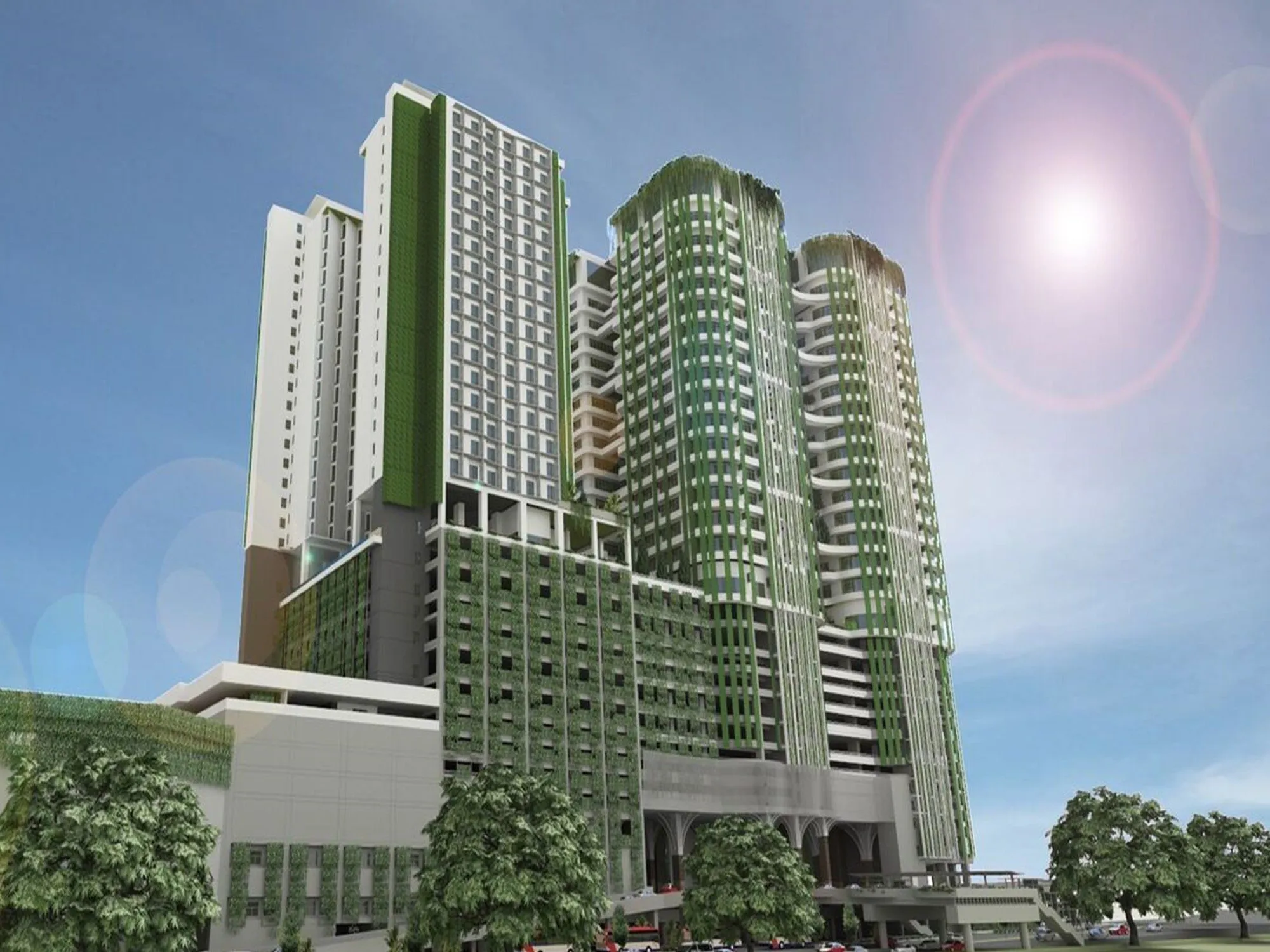
 GreenRE Gold
1 Powerhouse, Bandar Utama
GreenRE Gold renewal for a 31-storey office, hotel and podium development in Bandar Utama, assessed at 87.30 of 100 points.
Service
We take projects from an initial feasibility view of what rating is realistically achievable, through design integration and documentation, to submission and award, across every scheme Malaysian projects are assessed against.
Certification is won or lost in the first ten per cent of the programme. Bring us in at concept and the rating is designed into the building; bring us in at tender and it becomes a cost item bolted on afterwards.
The first question is not “what rating can we get” but “under which tool”. The schemes are not interchangeable, and picking the wrong one costs more than it saves.
GreenRE is the industry’s own tool, developed by REHDA Malaysia. It is calibrated for Malaysian climate, Malaysian construction practice and Malaysian procurement, and it has separate instruments for residential, non-residential, existing non-residential, industrial and healthcare buildings. For most Malaysian developments it is the tool that asks the most relevant questions.
GBI carries long-standing recognition with Malaysian authorities and remains the expectation on many institutional and public projects. Its scoring structure differs from GreenRE’s in ways that matter: energy efficiency carries 35 of 100 points under NRNC, and commissioning and verification credits are weighted heavily, which rewards projects willing to invest in proving performance after handover.
LEED and BCA Green Mark are the tools to reach for when the audience is international: a multinational tenant, a foreign investor, a parent company with a global portfolio standard. They cost more to document and they are not better buildings for it; they are better understood abroad.
MyCREST integrates carbon and lifecycle assessment more explicitly and aligns with CIDB’s agenda, which can matter on public infrastructure.
EDGE is the lightest-touch of the set, backed by IFC, and is frequently the right answer where the driver is access to green financing rather than market positioning.
We will tell you which one fits, and we will tell you when the honest answer is that a target is not achievable on the site and budget you have.
We start by establishing what rating is actually achievable for the building you are proposing, on the site you have, at the budget you are working to. From there the credit strategy is agreed with the full design team so that responsibility for each credit sits with the consultant who controls it. The architect owns the envelope credits, the M&E engineer owns the plant, the landscape architect owns Green Plot Ratio. Credits that belong to nobody are the ones that go missing.
Through design development we track credits continuously rather than auditing at the end, which is what keeps late-stage redesign out of the programme. Where credits depend on modelling (RETV, OTTV, ventilation simulation, daylight analysis) we run that work ourselves rather than subcontracting it, so the model informs the design while the design can still change.
We then prepare and lodge the submission, respond to assessor queries, and support site verification through to award.
Reading across our own assessments, the losses cluster in predictable places:
None of these are expensive problems. They are planning problems, and they are the reason an early credit allocation matters more than any single technical decision.
A defensible certification strategy, documentation that survives assessment, and a design team that knows what it owns. Where the design allows, we optimise for cost as well as rating. Integrated design usually delivers the target for a small fraction of the premium clients expect.
Every assessment we complete is published on this site with its full criterion-level scorecard. You can see exactly how our projects scored before you engage us.
Related work
GreenRE GoldGreenRE Gold renewal for a 31-storey office, hotel and podium development in Bandar Utama, assessed at 87.30 of 100 points.
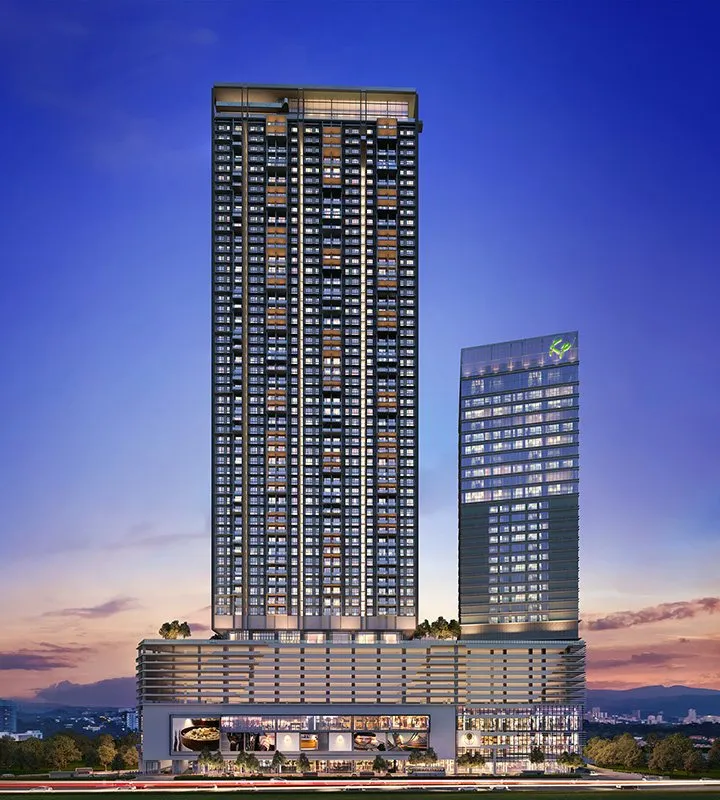 GreenRE Platinum
GreenRE Platinum for two 53-storey residential towers, with a full 15 of 15 RETV points and 17.70 of 20 on ventilation simulation modelling.
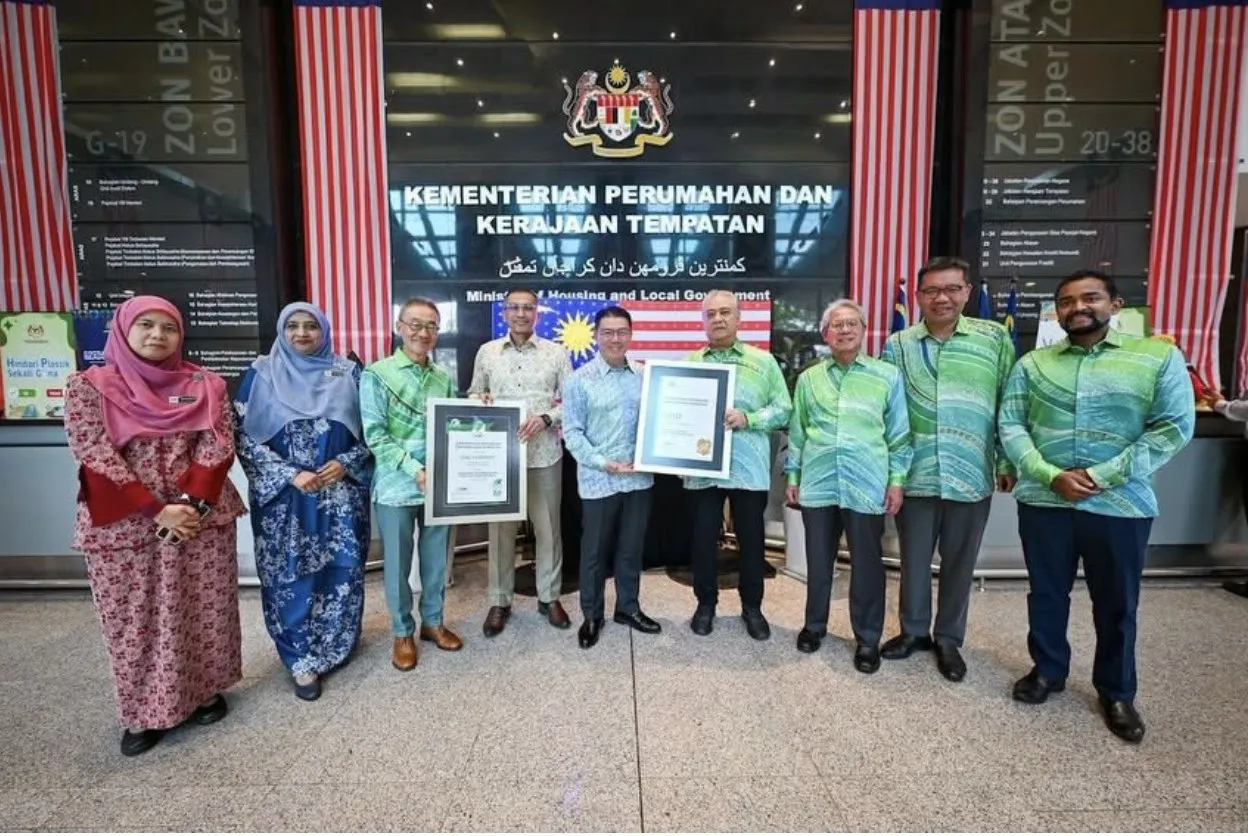 GreenRE Gold
The first ministry building in Malaysia to achieve GreenRE Gold. A 38-storey government headquarters running at 89.9 kWh/m²/year building energy intensity.
Tell us the building, the scheme you are targeting and where you are in the programme. We will come back with a scope and an honest view of what certification will take.